Legal duty of care for businesses disposing waste in NW8

If you run a business in NW8, waste disposal is not just a practical chore to tick off at the end of the week. It comes with a real legal duty of care, and that duty follows the waste from the moment it leaves your premises to the point it is collected, carried, and handled. Get it wrong, and the inconvenience can quickly turn into risk, cost, and avoidable stress.
This guide explains the legal duty of care for businesses disposing waste in NW8 in plain English. We will look at what the duty means, how it works in day-to-day business life, why it matters in a busy part of London, and how to stay on the right side of compliance without overcomplicating everything. Truth be told, most businesses do not need legal jargon. They need a clear process that actually works.
Whether you manage an office, retail space, building project, rental property, or mixed-use premises, the basics are the same: store waste properly, hand it to a lawful carrier, keep the right records, and make sensible checks before you pass anything over. Simple on paper. A bit messier in real life.
- Why the duty matters
- How the duty of care works
- Benefits for businesses
- Who needs to follow it
- Step-by-step guidance
- Expert tips
- Common mistakes
- Tools and resources
- Law and compliance
- Comparison of disposal options
- Real-world example
- Practical checklist
- Frequently asked questions
Why Legal duty of care for businesses disposing waste in NW8 Matters
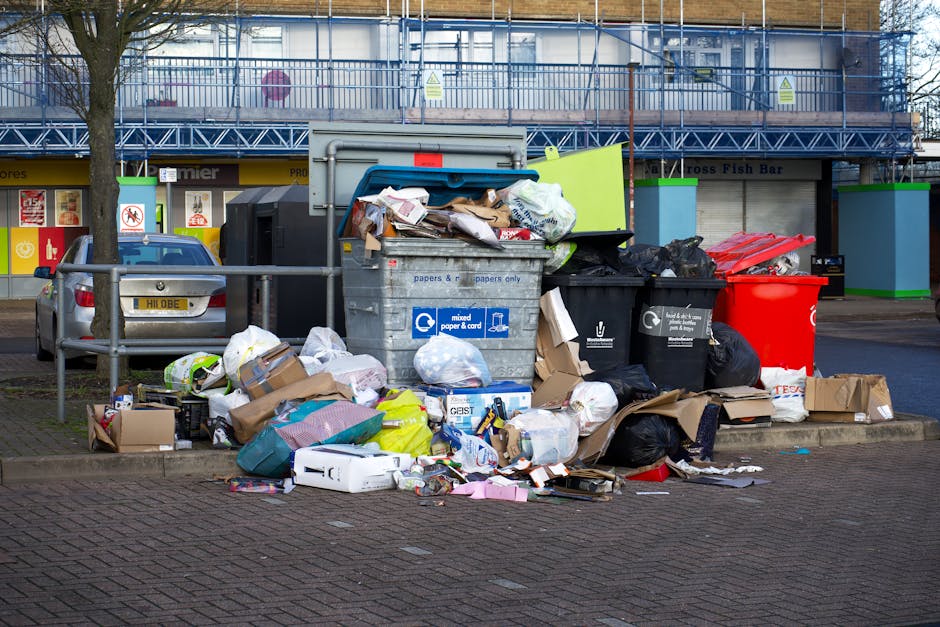
Duty of care is a legal and practical safeguard. It is there to stop waste being fly-tipped, mishandled, mixed up, or passed to someone who should never have been dealing with it in the first place. In an area like NW8, where business premises, residential streets, managed flats, and commercial units can sit close together, poor disposal practices are especially noticeable. One bad collection can affect neighbours, landlords, managing agents, staff, and your own reputation.
The biggest misconception is that once waste has left the office, shop, or site, the problem is someone else's. It is not. Businesses remain responsible for making sure waste is transferred properly. If a carrier dumps it inappropriately, your business may still be asked to explain what checks were made before the handover. That is why duty of care is more than a checkbox. It is a chain of responsibility.
For many businesses, the issue becomes visible only when something goes wrong: a skipped collection with no paperwork, a contractor who cannot explain where the waste went, or a mix of general rubbish and items that should have been separated. Then the question comes up, usually rather late: who actually had responsibility here? The answer is usually "everyone in the chain, in different ways."
If your business also handles furniture, fixtures, refurbishment waste, or old stock, it may help to think beyond standard bin collections. Services such as office clearance, business waste removal, and builders waste clearance can be part of a more structured compliance approach, especially when waste is bulky or generated in batches rather than in one tidy bin.
How Legal duty of care for businesses disposing waste in NW8 Works
In practice, the duty of care asks businesses to take reasonable steps. That phrase matters. It does not mean you need to become a waste law specialist overnight. It does mean you should know what the waste is, store it safely, transfer it only to an authorised carrier, and keep proof of what happened next.
The process usually follows five stages:
- Identify the waste correctly. Separate general waste, recyclable material, confidential paper, WEEE items, furniture, construction waste, and anything potentially hazardous where relevant.
- Store it safely. Waste should be kept so it does not create a risk of leaks, pests, trip hazards, odour, or public nuisance.
- Check the carrier. Make sure the person taking the waste is authorised to collect and transport it.
- Transfer the waste with records. Keep a note of what was collected, by whom, when, and where it went if applicable.
- Keep documents for the required period. Many businesses use waste transfer notes or similar records as part of routine compliance.
The details can vary depending on the type of waste and the arrangement you have in place. For a simple office clearance, the process may be quick and fairly tidy. For a shop refit or a post-move clearance, there may be more material, more sorting, and more risk of error. That is where a structured service becomes useful. If you are comparing options, it is sensible to look at the provider's health and safety policy, insurance and safety arrangements, and recycling and sustainability approach as part of your due diligence.
Expert summary: the safest approach is not complicated: classify the waste, store it properly, use a legitimate collector, and keep a paper trail you can actually find later. That last part matters more than people think.
Key Benefits and Practical Advantages
Complying with the duty of care is not only about avoiding trouble. It also makes business operations cleaner, calmer, and easier to manage. In NW8, where space can be tight and turnover fast, the benefits are often very practical.
- Lower compliance risk: fewer chances of being linked to improper disposal or fly-tipping.
- Better site safety: less clutter, fewer hazards, and smoother movement for staff and visitors.
- Improved records: easier audits, easier contractor reviews, and less time spent hunting through emails for old paperwork.
- Stronger reputation: clients, landlords, and neighbours notice when a business keeps things orderly.
- More efficient operations: regular, planned waste handling is usually simpler than one-off panic clearances.
There is another benefit that does not get mentioned enough: better decision-making. Once a business understands its waste streams, it becomes much easier to decide whether items should be reused, recycled, donated, or removed as general waste. That can make a real difference if you are dealing with office furniture, clearance after a move, or leftover material from a refurbishment. For those situations, it may be worth reading the details of furniture disposal and furniture clearance to see how non-standard items are typically handled.
And let's face it, nobody enjoys a chaotic back room full of broken chairs, cable boxes, and one printer that has been "temporarily" parked there for six months. Better systems save everyone a headache.
Who This Is For and When It Makes Sense
This duty applies to businesses, but the exact pressure points differ from one organisation to another. A small consultancy in NW8 will not face the same waste profile as a builder, landlord, estate agent, cafe, or retail chain. Still, all of them need a sensible process.
This topic matters especially if you are:
- running an office that generates paper, packaging, desks, chairs, or IT equipment
- managing a shop or showroom with packaging, display material, or unsold stock
- overseeing a refurbishment or fit-out with mixed construction debris
- handling rental property clearances between tenants
- coordinating clearance after relocation, closure, or downsizing
- responsible for facilities, compliance, or procurement decisions
It also makes sense if you have recently switched contractors, because that is when weak points often appear. A new provider may be cheaper, but if they cannot clearly explain their collection process, paperwork, or disposal route, the saving can be a false economy. Businesses often discover this after the event. Not ideal.
If your waste includes household-style contents from a mixed use premises, or you need help after a move or closure, the more relevant route may be a broader clearance service such as home clearance, house clearance, or flat clearance depending on the setting. The key is choosing a service that matches the actual waste stream rather than forcing everything into one generic bin run.
Step-by-Step Guidance
If you want a practical way to stay compliant, use a repeatable process. That is where most businesses get relief. No drama, just a routine that works.
1. Map the waste you generate
Walk through the premises and list the regular waste types. Include packaging, paper, food waste, furniture, broken equipment, refurbishment waste, garden debris if relevant, and anything sensitive or hazardous. You do not need a giant spreadsheet. A clear list is enough to start.
2. Separate items at source
Mixing everything together makes disposal harder, more expensive, and less environmentally sound. Separation also helps you identify what needs special handling. For example, cardboard and paper may be managed differently from bulky office furniture or construction debris.
3. Choose a lawful collector
Ask who is collecting the waste, what they take, and whether they can handle your material type. If the arrangement is informal, be careful. A legitimate collection should feel orderly, with clear communication and proper documentation. A good provider should also have sensible terms and conditions and transparent pricing and quotes.
4. Prepare the waste before collection
Bag it, label it, stack it safely, and keep access clear. If items are heavy or awkward, plan the move so nobody is carrying a filing cabinet down a narrow stairwell at the last second. That kind of thing tends to go wrong in a very predictable way.
5. Keep evidence
Save transfer notes, invoices, emails, and collection details. If there is ever a question about the waste trail, you want evidence that is easy to retrieve. A tidy folder, digital or physical, can save a lot of unnecessary back-and-forth.
6. Review the process regularly
Waste streams change. New equipment arrives. A fit-out creates new debris. A business expands or shrinks. Review the process from time to time so your compliance routine stays fit for purpose rather than fossilising into something nobody really understands.
Expert Tips for Better Results
Small adjustments often make the biggest difference. In our experience, the most reliable businesses are not the ones with the fanciest systems. They are the ones that keep things simple and consistent.
- Nominate one responsible person. Even in a small office, somebody should own the process.
- Use the same collection standards every time. Repetition is useful here. It stops gaps appearing.
- Keep a short approval checklist for new contractors. Don't assume every collector is equally prepared.
- Separate confidential material early. Paper shredding, archive disposal, and IT clearance should not be an afterthought.
- Think about the exit route before the pile grows. A room full of old desks is easier to clear if you plan early, not at 4:45 on a Friday.
A useful habit is to photograph a load before collection. It is not a legal magic trick, but it can help you remember what was handed over and in what condition. That becomes handy if a question comes up later, especially after a busy move-out day when everything blurs together.
Another quiet win: ask whether reusable items can be separated from waste. A few cabinets, tables, or chairs may be suitable for reuse rather than disposal. That usually feels better, and often aligns more naturally with a business's sustainability goals.
Common Mistakes to Avoid
Most duty-of-care problems come from ordinary oversights, not dramatic wrongdoing. That is the frustrating bit. A lot of it is preventable.
- Using an unverified collector: if you cannot confirm who is taking the waste, you are taking a risk.
- No paperwork: if records are missing, it becomes hard to show what was done correctly.
- Mixing waste types: general rubbish, recyclables, and bulky items should not all be handled the same way by default.
- Leaving waste unsecured: open access can lead to scattering, contamination, or fly-tipping by others.
- Assuming the cheapest option is fine: price matters, but so does lawful handling.
- Forgetting about specialist waste: electrical items, confidential paper, or construction debris may need extra care.
One surprisingly common error is vague communication inside the business itself. Facilities know one thing, reception knows another, and management assumes the contractor handled it. Suddenly no one is quite sure who booked what. A small planning note solves a lot of that. Boring, yes. Effective, also yes.
Tools, Resources and Recommendations
You do not need a complex system, but a few basic tools make compliance easier to maintain.
| Tool or resource | What it helps with | Best use |
|---|---|---|
| Waste log | Tracks collections, dates, types, and carriers | Regular office, retail, or site waste |
| Collection checklist | Checks access, sorting, labels, and paperwork | Before each pickup |
| Photo record | Shows condition and volume of waste | One-off clearances or bulky loads |
| Contractor file | Keeps terms, invoices, insurance, and notes together | Supplier management |
| Internal waste policy | Defines who does what and when | Multi-staff or multi-site businesses |
For businesses with recurring clearance needs, it is worth reading the provider pages that explain operational standards in more detail, especially waste removal and recycling and sustainability. These can help you understand the difference between simple pickup and a more structured removal process.
If you are dealing with access issues, stairs, shared entrances, or building management restrictions, review your provider's insurance and safety arrangements too. In NW8, access is often the real challenge, not the waste itself.
Law, Compliance, Standards, or Best Practice
The legal duty of care is a well-established part of UK waste management practice. While this article avoids pretending to give legal advice, the broad expectation is clear: businesses must take reasonable steps to ensure waste is stored, transferred, and handled correctly. That includes checking that the carrier is appropriate, keeping records, and not handing waste to anyone who looks vague, rushed, or impossible to verify.
Best practice usually goes a little further than the minimum. That means:
- setting written internal procedures
- keeping a clear audit trail
- reviewing carriers and contractors periodically
- separating recyclable and reusable material where practical
- training staff so they know what to do with different waste types
If you operate from serviced offices, shared buildings, or managed blocks, the building manager's rules may sit alongside your own obligations. So yes, you may have a legal duty and a lease or management agreement duty at the same time. Fun, isn't it? But manageable. The important thing is not to assume one cancels out the other.
It is also sensible to align your waste handling with wider workplace policies, including modern slavery statement principles where supplier transparency matters, and your own privacy policy if you are disposing of documents or data-bearing items. Confidentiality and disposal often meet in the same conversation, especially in offices.
Options, Methods, or Comparison Table
Businesses in NW8 usually have three broad disposal routes: in-house handling with a licensed collector, ad hoc clearance for one-off loads, or a structured ongoing arrangement. Each can work, but not for the same situation.
| Method | Best for | Pros | Watch-outs |
|---|---|---|---|
| Routine waste collection | Regular, predictable waste | Simple, repeatable, usually efficient | Needs proper sorting and record-keeping |
| One-off clearance | Moves, closures, refurbishments | Fast, convenient, handles bulky items | Paperwork and contractor checks still matter |
| Ongoing managed removal | Frequent waste generation | Consistent compliance and easier oversight | May require more planning and coordination |
In many cases, a one-off clearance is the right answer after a fit-out, archive clean-out, or office reshuffle. For example, if your team has stacked broken chairs beside old monitors and a few boxes of paperwork that should have been archived three years ago, a managed clearance is often more sensible than trying to move everything bit by bit.
For businesses dealing with more specialised loads, such as construction leftovers or mixed commercial furniture, it may be helpful to compare builders waste clearance with furniture clearance. They sound similar, but the handling needs can differ quite a bit.
Case Study or Real-World Example
A small professional office in NW8 was preparing to downsize. During the move, the team discovered a side room full of mixed waste: old chairs, printer boxes, archived files, damaged shelving, and a few IT items. At first, the temptation was to treat it all as general waste and get it gone quickly. That would have been the easy route. Also the risky one.
Instead, the office manager split the load into categories: reusable furniture, confidential paper, recyclable cardboard, and bulky disposal items. They arranged collection with clear instructions, kept records of what was taken, and made sure the provider's details were on file. The room was empty by the end of the day, but more importantly, the business could show that it had taken reasonable steps throughout the process.
The practical lesson is simple. Good compliance often looks boring from the outside. No fanfare, no drama, just a clean handover and a clear note of what happened. That is what you want. Really.
Practical Checklist
Use this checklist before and during any business waste disposal in NW8.
- Have you identified the waste type correctly?
- Have you separated recyclable, reusable, confidential, and bulky items?
- Is the storage area safe, tidy, and secure?
- Have you checked the collector's details and suitability?
- Do you have written confirmation of the collection arrangement?
- Are access routes clear and safe for removal?
- Have staff been told what can and cannot go into the load?
- Are records saved in one place for future reference?
- Do you know who is responsible if questions come up later?
- Have you reviewed whether any items need specialist handling?
If you can answer yes to most of those points, you are in a much better position than most businesses that leave waste handling to chance. And if a couple of answers are no, that is still useful. It tells you where the weak spots are.
When you need help with a clearance that has grown beyond a tidy internal job, it can be sensible to review office clearance alongside the wider business waste approach. One service does not replace the other, but they can complement each other nicely.
Conclusion
The legal duty of care for businesses disposing waste in NW8 is really about being careful, consistent, and able to show what you did. That is the heart of it. You do not need to overcomplicate the process, but you do need a process. Identify the waste, store it sensibly, use a proper collector, keep records, and review the setup from time to time.
For businesses in NW8, where space is tight and time is usually tighter, a clean waste routine can save money, reduce risk, and make the working day feel less chaotic. It also sends a quiet message: this business pays attention. That counts more than people think.
And if you are sorting through a clearance right now, take it one step at a time. The job gets easier once the first pile is dealt with.
Get a free quote today and see how much you can save.
Sometimes the simplest compliance habits are the ones that protect a business best. Bit by bit, done properly, they hold.
Frequently Asked Questions
What does legal duty of care mean for business waste in NW8?
It means your business must take reasonable steps to make sure waste is stored, transferred, and handled properly. You remain responsible for checking that the waste goes to an appropriate collector and that records are kept.
Do small businesses in NW8 have the same duty of care as larger companies?
Yes, the duty applies to businesses generally. The scale of waste may differ, but the basic obligation to handle it responsibly is the same.
Do I need paperwork for every waste collection?
In most business situations, you should keep records of collections and waste transfers. The exact form depends on the waste type and arrangement, but keeping evidence is a very sensible habit.
What happens if a waste contractor disposes of rubbish illegally?
Your business may still be asked to show what checks you made before handing over the waste. That is why using a trusted collector and keeping documents matters so much.
Can I give all my office waste to one general clearance team?
Sometimes yes, but only if they can lawfully handle the types of waste you have. Mixed loads may need sorting, especially if they include confidential materials, electrical items, or bulky furniture.
How do I know if a waste carrier is legitimate?
Ask for details, check their documentation, and keep a record of who collected what. A legitimate service should be able to explain its process clearly and without fuss.
Is recycling part of the duty of care?
Recycling is not just a nice extra. It is often part of good practice because it supports proper handling and reduces unnecessary disposal. It also shows you have thought about the waste stream properly.
What if I only have a one-off clearance after an office move?
The duty of care still applies. One-off loads can be riskier because they often include mixed material, so you need to be just as careful about sorting, collection, and records.
Do furniture and builders waste need special handling?
They often do. Bulky items, refurbishment debris, and mixed materials may need a more specific collection plan than routine general waste. It is worth matching the service to the load.
How can I make compliance easier for staff?
Use a simple internal process, assign one responsible person, and keep collection instructions clear. If staff know where waste goes and who to ask, mistakes usually drop off quite quickly.
Should I keep waste records digitally or on paper?
Either can work if you can find them later. Digital records are often easier to store and search, but a paper system can work too if it is organised and consistent.
Where should I start if my business has no waste process at all?
Start by identifying what you throw away, then separate it into basic categories and decide who will manage collections. From there, build a simple routine and keep records from the first pickup onwards.