Office clearance in St Johns Wood

Office clearance in St Johns Wood should be straightforward, orderly and suited to the way your workplace operates. We provide a service focused on clearing desks, chairs, filing units, IT peripherals, soft furnishings and mixed office contents with sensible attention to access, sorting and removal. Whether you are making room for a refit, emptying a small workspace or dealing with a fuller move-out, the aim is to remove items efficiently while keeping the process easy to manage.
Our service can cover a range of workplace clearances, from general office furniture removal to the handling of archived materials and surplus equipment that no longer serves a purpose. We work with commercial clients who need a practical solution rather than a one-size-fits-all approach, and we can adapt the work to suit shared buildings, private suites and occupied premises. If you are comparing options, pricing and quotes can help you think through the best starting point.
For larger or more varied clearances, it is usually helpful to separate what must stay from what can leave before the work begins. That simple step can keep the job moving and reduce disruption in busy premises. Clear instructions, sensible access and a realistic time window all help shape a smoother clearance. When you are ready to discuss the work, you can make an enquiry in plain language and ask for a quotation.
What an office clearance can include
An office clearance often involves more than taking away a few unwanted desks. In many workplaces there are mixed items to manage: storage cabinets, monitors, printers, tables, reception furniture, task chairs, shelving, lockers and general office clutter that has built up over time. We aim to remove the items that have reached the end of their use while leaving the rest of the space ready for its next stage. That can be helpful during moves, refurbishments and end-of-tenancy situations where the room needs to be cleared in a controlled way.
Some clearances are largely about bulk furniture, while others include smaller items that need a little more sorting. Paper records, stationery, cabling and packaged materials may all be part of the work depending on what is present. Where there are items that need careful separation, we can approach the clearance in stages so that usable furniture, recycling streams and general waste are not mixed unnecessarily. Business waste removal may also be relevant when a clearance includes disposable office waste alongside larger items.
Useful items to identify in advance can include:
- desks and meeting tables
- office chairs and visitor seating
- filing cupboards and shelving
- IT equipment and accessories
- packaging, small waste and mixed contents
Planning a clearance around your workplace

Good planning matters because office environments often have shared entrances, limited loading space or time restrictions built into the building. A well-organised clearance takes those conditions into account before anything is moved. If the work needs to be arranged in phases, the clearance can be broken down so that larger pieces leave first and smaller contents follow once the route is clear. This approach is often useful when teams still need to work around the area or when the property has multiple rooms.
Two practical points usually make the biggest difference. First, it helps to know which items are staying in the office so that nothing useful is removed by mistake. Second, photos or a written list can make it easier to describe the work accurately, especially where there are storage rooms, archive areas or items in more than one part of the building. If you also need related furniture handling, furniture clearance may be a useful page to review alongside the office service.
Access, lift use, stairways and parking can all affect how the job is organised, so they are worth mentioning when you request a quotation. We do not need long instructions, but practical details help us understand the clearance more clearly. If your premises include reception areas, basement storage or upper-floor rooms, it is sensible to flag that early so the work can be scoped without guesswork.
Furnishings, equipment and mixed contents
Office clearance commonly involves furniture and equipment with very different handling needs. A conference table, a stack of chairs and a broken printer do not all move in the same way, and a considered approach helps keep the work tidy and efficient. We can remove larger furniture as well as smaller office contents that have been gathered in cupboards, storage rooms or under desks. This is especially useful when a workplace has been operating for some time and the items to be cleared are a mix of old and recently replaced pieces.
Some customers need a more selective service because certain items are still usable while others are destined for disposal. In those cases the clearer the room is before collection, the easier it is to keep the right items apart. If your clearance includes chairs, tables or cabinets that are no longer needed, you may also find furniture disposal relevant, particularly where the main task is to take away bulky office furnishings in an orderly way.
The work is usually best approached by deciding what belongs in each group: keep, move elsewhere, recycle or remove. That simple framework can make a large office feel much more manageable. It also reduces the chance of last-minute decisions slowing the job down. Careful sorting before removal is not just tidy practice; it is often the easiest route to a smooth, well-paced clearance.
Archive areas, storage rooms and back-of-house spaces
Not every office clearance is centred on desks and meeting rooms. Many workplaces also have archive cupboards, stock rooms, storerooms and back-of-house areas that gradually fill with old folders, boxes, broken office accessories and redundant equipment. Clearing these spaces can be just as important as clearing the main work area because they often contain items that block access or take up room needed for current operations. A targeted clearance makes those spaces usable again.
Where there are boxes of documents or mixed storage items, the work may need a little more sorting before removal. Some material may be destined for disposal, while other items may simply need relocating. If the clearance is part of a wider emptying project, it can be useful to think about the spaces separately so that the office floor, the storage room and any archive area are all handled appropriately. For broader property clearances, home clearance is listed separately, but the office service remains focused on workplace contents.
Archive and storage areas often benefit from a slower, methodical approach because their contents are not always easy to identify at a glance. That is why it helps to specify whether the work includes locked cupboards, shelf units, boxed items or loose materials. With that information, the clearance can be planned around the actual contents rather than assumed categories.
Responsible handling and onward processing

Office clearances often produce a mixed load, and different items can call for different onward handling. Some contents are suitable for reuse, some for material recovery and some for disposal. A sensible service takes those differences into account rather than treating every item as identical. We can work through the clearance in a way that supports sensible separation of furniture, equipment and general waste, which is especially useful when a workplace wants a practical and orderly result.
The approach may vary depending on what is being removed. Furniture can often be lifted and taken away as a unit, while smaller items may be grouped according to how they are to be processed. If a project also includes general waste from the office, waste removal may be useful where the client wants to understand the broader disposal side of the job as well as the physical clearance itself.
Responsibility begins with sorting, and sorting begins with seeing what is actually present. That is why a clear description of the contents makes such a difference. It helps us plan for item types, access and the most suitable way to organise the work without overcomplicating the process. In practice, the best clearances are those where the work is simple to follow and the outcome is easy to hand over.
Keeping disruption under control
Office clearance should not create more disruption than it removes. In active premises, the most useful approach is often to work in a way that respects shared spaces, neighbours and the day-to-day needs of the business. That can mean taking items away in sensible stages, being mindful of corridors and entrances, and planning around the spaces that remain in use. A steady clearance is usually better than a rushed one when people still need to work nearby.
Where a workplace is preparing for a move, closure or internal rearrangement, the clearance may need to fit within a fixed sequence of tasks. For example, certain rooms may need to be emptied before others, or some equipment may need to remain until the final stage. In those cases the office clearance becomes part of the overall logistics rather than a separate interruption. If the project includes supplies or refuse from a building project, builders waste clearance may also be worth considering alongside the office work.
Using a well-structured plan does not mean making the job complicated. It simply means keeping the sequence sensible so that the office can continue to function where needed. That is particularly important in shared premises, managed buildings and workplaces where access is controlled. The more clearly the space is understood, the easier it is to remove items without unnecessary delays.
About St Johns Wood
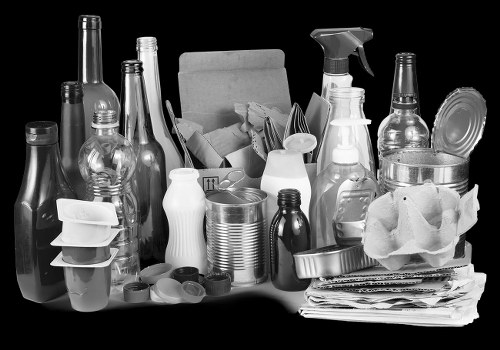
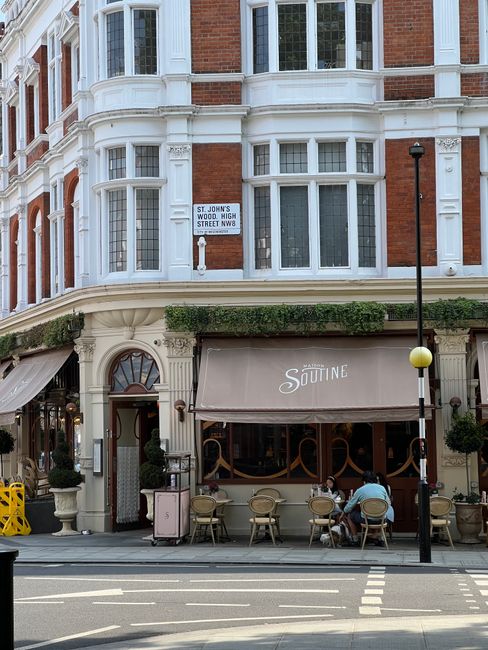
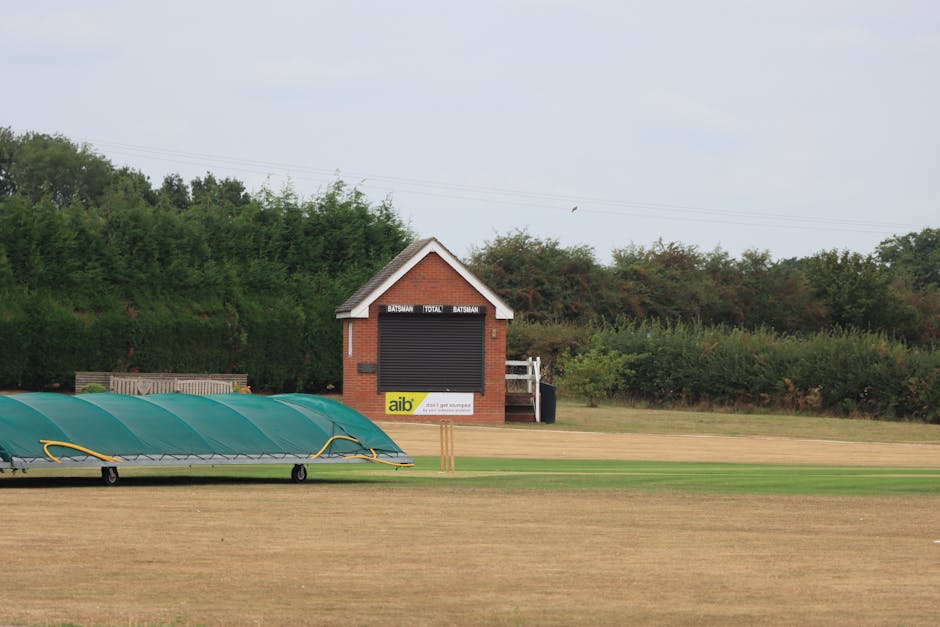
St Johns Wood is a north-west London district in the City of Westminster, best known for its residential streets, cultural landmarks and association with open, leafy urban design. The area developed during the nineteenth century, when former rural land was gradually transformed into high-value suburban housing, and much of its character still reflects that period. Elegant terraces, mansion blocks and detached villas are part of its built identity, giving the district a calm and ordered feel distinct from the denser parts of central London nearby. The area’s streets are often lined with mature trees, which adds to the sense of enclosure and quiet that many people associate with it. Regent’s Park lies immediately to the east, providing one of the most recognisable green edges to the district, while Lord’s Cricket Ground has long been a major landmark and a key part of local sporting life. The surrounding streets also include shops, cafés and independent businesses that serve residents and visitors, but the overall atmosphere remains primarily residential. St John’s Wood High Street acts as a local focus, connecting daily life with the wider transport and commercial network of the city. The district is also notable for its connections with music and media, with Abbey Road frequently drawing attention because of its place in popular culture. Despite that fame, the neighbourhood retains a largely calm, local character shaped by architecture, tree-lined roads and proximity to large parks and established institutions.
Office spaces of different sizes
Not every office clearance has the same scale or structure. Some jobs involve a compact suite with a handful of desks, while others cover several rooms, meeting spaces and storage areas. The best way to handle them is to match the clearance to the layout rather than forcing it into a fixed pattern. That means considering the furniture, the equipment, the access points and the sequence in which items should leave the building. A tailored approach helps keep the job efficient and understandable.
In smaller premises, the main task is often to remove surplus furnishings and left-behind contents in one manageable visit. In larger offices, however, the work may be split across rooms so that the space is cleared methodically. This can be especially useful where the office contains both current workstations and older items being phased out. For related property clearances involving domestic-style rooms or mixed contents, flat clearance is a separate service page, but the office process remains focused on workplace needs.
Every office layout brings its own considerations: narrow corridors, shared lifts, basement rooms, secure doors or multiple levels. None of these make the work impossible, but they do shape the most sensible way to carry it out. A good clearance takes those practical features into account from the beginning, which helps the whole process feel more controlled and less disruptive.
Preparing for a quotation

When you want a quotation for office clearance in St Johns Wood, the most helpful starting point is a clear description of the items and spaces involved. You do not need a perfect inventory, but it helps to mention the main furniture, the amount of storage, whether there are stairs or lifts, and whether any items are especially bulky or awkward. That gives a stronger basis for estimating the work than a vague request alone.
It can also help to note whether the office is occupied, partly empty or fully vacated. If there are time restrictions, building rules or access controls, those details may affect how the clearance is arranged. Where you would like to compare options, contact us to request a quotation and discuss the most practical way to handle the job. If you prefer to think through scope and budget first, the information on pricing and quotes may also be useful before you make that call.
Send the practical details, not the paperwork: a short description of the rooms, the main contents and the access conditions is usually enough to begin. Once those basics are clear, it becomes much easier to shape the work around the office rather than trying to force the office into a standard clearance pattern. A careful quotation request often saves time later and helps ensure the service fits the property properly.
Choosing the right clearance approach
Office clearance is most effective when the method matches the contents. A room of redundant desks needs a different approach from a workspace full of mixed storage, and a clearance that includes equipment may need more sorting than one made up mainly of furniture. We can shape the work around what is actually present so that the outcome is tidy, practical and suitable for the premises. That is usually the simplest way to make sure the office is left ready for whatever comes next.
Some clients want a full emptying of all redundant workplace contents, while others only need selected items removed. Both approaches can work well when they are clearly defined at the outset. If the project includes office seating and other furnishings as a distinct part of the job, office clearance remains the central service page, while the individual content pages give extra context on related item types and practical considerations. The key is to match the scope to the space.
By the end of the process, the aim is simple: a clear, usable office area and a straightforward service that has respected the building, the schedule and the items involved. Careful removal, sensible sorting and clear communication make that outcome easier to achieve. If you would like to move forward, ask for a quotation and we will help you begin with the details that matter most.