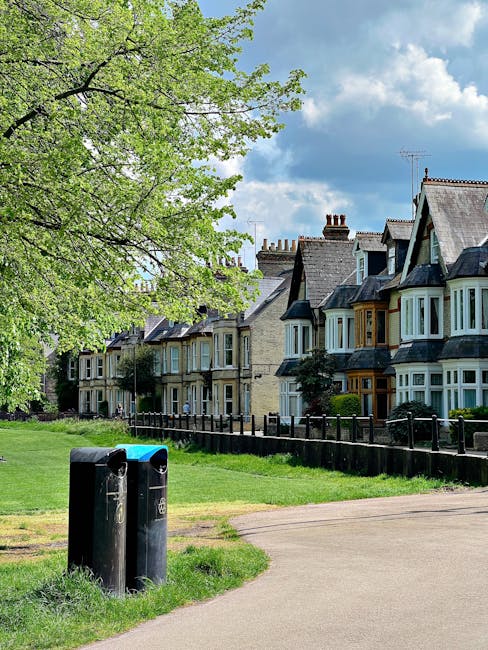
St Johns Wood rubbish removal guide for Circus Road homes

If you live on Circus Road, you already know the rhythm of the street: elegant homes, busy mornings, tight parking, and the occasional pile-up of things that suddenly need to go. This St Johns Wood rubbish removal guide for Circus Road homes is here to make the whole process feel less awkward and a lot more manageable. Whether you are clearing out a flat, dealing with post-renovation debris, or just trying to reclaim a spare room that has quietly become a storage cave, the right approach saves time, stress, and a fair bit of effort.
Rubbish removal in this part of St John's Wood is not just about lifting bags into a van. It is about planning access, separating reusable items from waste, handling bulky furniture properly, and making sure everything is dealt with responsibly. A sensible clearance can be quick and tidy. A poor one can turn into noisy delays, blocked entrances, and that familiar feeling of, "why did we leave this until now?"
In this guide, you will find practical steps, local considerations, common mistakes, and a clear way to decide which service fits your home. It is written for real life, not just theory.
Key takeaway: for Circus Road homes, the best rubbish removal plan is usually the one that matches your access, your timeline, and the type of waste you have, rather than the one that simply sounds cheapest at first glance.
Why St Johns Wood rubbish removal guide for Circus Road homes Matters
Circus Road homes often sit in a slightly tricky sweet spot. They are residential, but they are not always simple to service. There may be shared entrances, basement levels, narrow stairwells, parking restrictions, or neighbours close enough to hear every bump and scrape. That makes rubbish removal more than a "turn up and tip it" job.
It matters because the wrong approach can waste your day. A sofa that seemed easy to move suddenly becomes a three-person puzzle. A few broken cupboards can become several separate loads if they are not broken down first. And loose rubble? That has a talent for getting everywhere. Shoes, hallway corners, the back of the van. You know the type.
There is also the practical side. If you are clearing a property before sale, after tenants move out, between refurb stages, or after a long period of accumulation, you need the work done cleanly and consistently. On a street like Circus Road, people often want minimal disruption and a respectable finish. Fair enough, really.
For many households, the difference between a stressful clearance and an easy one comes down to preparation. Not perfect preparation. Just enough to make the job smooth.
How St Johns Wood rubbish removal guide for Circus Road homes Works
At its simplest, rubbish removal involves collecting unwanted items from your home and taking them away for disposal, recycling, or onward handling. But in practice, the process usually works in stages:
- Initial assessment - You identify what needs removing, including bulky furniture, bagged waste, old appliances, garden waste, or renovation debris.
- Access check - For Circus Road homes, this is crucial. Stairs, lift access, front-step height, and parking all affect the job.
- Load planning - Items are grouped by type so that recyclable materials, reusable furniture, and general waste can be handled sensibly.
- Collection and loading - Everything is removed from the property, usually with care taken around hallways, walls, and shared spaces.
- Sorting and disposal - Waste is then processed appropriately. Good operators aim to recycle and reuse wherever they can.
In many homes, the biggest difference is not the removal itself. It is the preparation beforehand. A clear path to the door, a quick sort into piles, and a note of anything fragile can speed things up more than people expect.
If your clearance includes old wardrobes, tables, beds, or general household clutter, it may overlap with house clearance or home clearance rather than simple one-off rubbish removal. That distinction matters because the right service saves time and often reduces waste handling errors.
For flats and maisonettes on Circus Road, you may also want to consider whether a flat clearance is the better fit, especially where access is shared or the job involves a complete internal tidy-out.
Key Benefits and Practical Advantages
Done properly, rubbish removal brings a few very tangible benefits. The obvious one is that you get your space back. But there is more to it than that.
- Less physical strain: heavy lifting is hard work and, to be honest, not something everyone should be doing on a staircase with awkward corners.
- Faster turnaround: a planned removal can be completed in a fraction of the time it would take to do it yourself over several weekend trips.
- Cleaner finish: once the clutter is gone, a property looks brighter, larger, and easier to manage.
- Better recycling outcomes: separating items properly gives reusable and recyclable materials a better chance of being diverted from general waste.
- Less disruption to neighbours: efficient loading reduces noise and time spent in communal areas.
There is also the emotional benefit, which people do not always talk about. A cluttered room can quietly drain energy. Once the waste is gone, the place feels lighter. That sounds a bit poetic, but it is true. One cleared room can change the whole mood of a home.
For anyone with mixed waste, broken furniture, or a garage that has become a dumping ground, services such as garage clearance and furniture disposal can be especially useful. They are practical solutions when items are too awkward for normal bin collections.
Who This Is For and When It Makes Sense
This guide is useful for a wide range of Circus Road residents, not just people doing a full-scale declutter. If any of the situations below sound familiar, rubbish removal probably makes sense.
- You are moving out or preparing a home for sale.
- You have just finished decorating or a light renovation.
- You are clearing a spare room, basement, loft, or garage.
- You have inherited a property and need it emptied respectfully.
- You are replacing furniture and need the old items taken away.
- You need bulky items removed but do not want the hassle of hiring a van.
It is also a strong option for landlords and managing agents dealing with end-of-tenancy clearances. In those cases, speed matters, but so does consistency. Nobody wants a half-finished pile outside the front door because one or two awkward items were left behind.
If the job includes a lot of soft furnishings or mixed household goods, the right service may be a combination of furniture clearance and general waste removal. If it is a larger, whole-property job, house clearance is often the cleaner route.
Step-by-Step Guidance
Here is a practical way to approach rubbish removal on Circus Road without overcomplicating it.
1. Identify exactly what needs to go
Start with a full walk-through. Be honest. Open the cupboards, look in the basement, check the loft. A lot of clearance jobs grow because people underestimate what is tucked away behind the obvious stuff.
2. Separate waste into simple categories
Try to split items into rough groups:
- general household rubbish
- bulky furniture
- electrical items
- wood, metal, and mixed materials
- garden waste
- construction or DIY waste
You do not need to be perfect. Just a sensible first sort helps the clearance go much faster.
3. Check access before collection day
Measure awkward doorways if you are unsure. Think about stairs, lift size, and whether a van can stop close enough to the property. On a busy road, that last point can be a real difference-maker.
4. Remove personal items and keep anything valuable separate
This sounds obvious, but it is the one thing people regret if they skip it. Files, keys, cables, chargers, documents, keepsakes - move them out of the way first.
5. Decide whether you need a specialist service
If the waste is mostly rubble, plasterboard, tiles, or timber from building work, look at builders waste clearance. If it is a general property tidy-up, then waste removal may be enough. The best fit depends on what you actually have, not the label on the page.
6. Schedule the work and keep the path clear
On the day, clear a route from each item to the exit. It avoids damage, reduces noise, and makes everything feel calmer. A hallway full of shoes, bikes, and shopping bags is not a clearance-friendly hallway. No surprise there.
7. Ask what happens after collection
A good operator should be able to explain how items are sorted, recycled, or disposed of. If you care about sustainability, that conversation is worth having before the work starts.
Expert Tips for Better Results
Here are some things that make a noticeable difference in real jobs.
- Photograph the waste beforehand: quick photos help everyone understand the scale and type of job. Especially useful if you are booking remotely.
- Break large items down where possible: flat-pack furniture, shelving, and old cupboards are often much easier to move once dismantled.
- Keep mixed waste separate if you can: a small amount of sorting can make recycling easier later.
- Label anything you want kept: if a room is crowded, a simple "keep" note avoids accidental removal.
- Plan around the building's quiet times: in shared homes or managed blocks, timing matters more than people expect.
One small but helpful habit: put all loose screws, fixings, and small parts in a bag and tape it to the matching item. It is boring, yes. Also extremely useful.
If you are replacing beds, wardrobes, or sofas, it may make sense to align the removal with new deliveries. That way the home does not spend three days looking like a storage unit in the middle of a move. Not ideal. Been there, seen that.
And if you are trying to keep the budget tidy too, check pricing and quotes early on so you know how scope affects cost. A little clarity upfront often prevents misunderstandings later.
Common Mistakes to Avoid
Most rubbish removal problems are preventable. The common mistakes are usually simple ones.
- Leaving sorting until collection day: this slows everything down and can create confusion.
- Forgetting about access restrictions: a van may not be able to stop exactly where you want it.
- Mixing clean and dirty waste unnecessarily: that can make recycling more difficult.
- Assuming every item counts as general rubbish: some things, especially electrical items or renovation waste, need different handling.
- Overfilling communal spaces: common areas need to stay clear, both for courtesy and safety.
Another easy one to miss: not telling the crew about hidden waste. A shed full of broken planters is one thing. A loft with old boxes, a mattress, and two extra bags of mystery clutter is another. It sounds trivial until the lift starts groaning.
To be fair, people often underestimate how much waste they have because they see it in bits and pieces. Once it is gathered into one place, the scale becomes obvious. Slightly shocking, sometimes.
Tools, Resources and Recommendations
You do not need a van-load of gear to prepare for rubbish removal, but a few basic tools help.
- Heavy-duty bags for loose rubbish and smaller items
- Marker pens or labels for keep, donate, recycle, and remove piles
- Gloves if you are handling dusty or awkward items
- Box cutters or screwdrivers for dismantling flat-pack furniture
- Doorway protectors or old blankets if items are likely to scrape walls
On the service side, it helps to compare the type of clearance you actually need. For example, loft clearance works well where the issue is storage overflow above the main living space, while garden clearance is better for outdoor waste, branches, soil, and weather-worn items.
If your home project is more than a simple tidy and includes wardrobes, tables, sofas, or other big household pieces, the combination of home clearance and furniture services can be more efficient than trying to force everything into one generic approach.
Law, Compliance, Standards, or Best Practice
For household rubbish removal in the UK, the main thing is to use a responsible waste carrier and make sure waste is handled properly. You do not need to become a compliance expert, but you do want to avoid passing waste to someone who may not manage it correctly. That can create problems later, and nobody wants that headache.
Best practice usually means:
- checking that the provider is clear about how waste is handled
- keeping records or receipts where sensible
- separating hazardous or specialist items from ordinary rubbish
- avoiding fly-tipping at all costs
- making sure waste from refurb or DIY work is treated as construction-related, not ordinary household waste
If your removal includes items with sharp edges, heavy loads, or potentially contaminated materials, health and safety becomes especially important. In those cases, a provider with documented procedures and sensible handling standards matters a lot. You can review our approach on health and safety policy and insurance and safety.
Environmental handling also matters. Reuse and recycling should be part of the conversation, not a bonus. If that side of the process matters to you, it is worth reading about recycling and sustainability.
Options, Methods, or Comparison Table
Different jobs call for different approaches. The table below gives a straightforward comparison.
| Option | Best for | Pros | Watch-outs |
|---|---|---|---|
| DIY tip run | Very small amounts of waste | Flexible if you already have transport | Time-consuming, multiple trips, lifting strain |
| Bulk item collection | Single large items or a few pieces | Simple for sofas, beds, and wardrobes | Can be less efficient for mixed waste |
| House clearance | Whole-home or large-room clearances | Useful for broader declutters | Needs planning if access is tight |
| Flat clearance | Flats and maisonettes with shared access | Good for compact properties and end-of-tenancy jobs | Lift/stair access can affect timing |
| Specialist waste removal | Mixed, bulky, or unusual waste | More adaptable for odd jobs | Needs clear description of the waste type |
For Circus Road homes, the best choice is often the one that matches the building layout first and the waste type second. That order matters more than people realise.
Case Study or Real-World Example
Imagine a Circus Road flat where the owners are preparing for a refurbishment. They have an old sofa, two wardrobes, a broken desk, several boxes of household clutter, and a stack of leftover packaging from new furniture that was delivered the week before. Nothing dramatic. Just enough to make every room feel crowded.
They start by separating what can be kept from what needs to go. Documents, chargers, and a few sentimental bits are removed first. Then the wardrobes are dismantled, the sofa is checked for access through the hallway, and the packaging is flattened. A quick look at the route to the front entrance reveals one awkward turn near the stairwell, so the larger items are planned out in advance rather than dragged around blindly.
The result is a cleaner, faster collection. The rooms feel bigger, the refurbishment can begin, and nobody has to spend the weekend making repeated trips to a tip. Nothing glamorous. Just efficient, which is honestly what most people want.
That is the pattern you see again and again in St John's Wood: a bit of planning, a clear understanding of access, and a service matched to the job size.
Practical Checklist
Use this checklist before arranging rubbish removal for a Circus Road home.
- List every item or type of waste that needs removing
- Separate keep, donate, recycle, and remove piles
- Check stairs, lift access, parking, and entry points
- Measure bulky furniture if it looks tight through doorways
- Remove valuables, documents, and fragile items
- Decide whether you need house, flat, loft, garage, or garden clearance
- Ask how recyclable materials will be handled
- Confirm the collection window and any building rules
- Make hallways and entrances as clear as possible
- Keep a note of what should not be taken away
If you want a quick starting point, begin with the biggest item in the room. Once that is handled, the rest usually feels more manageable. Funny how that works.
Conclusion
Circus Road homes in St John's Wood deserve a rubbish removal approach that is calm, organised, and realistic about the practical details. Access, parking, item type, and disposal method all matter. Get those parts right and the rest is much smoother.
The good news is that you do not need to make the process complicated. Identify the waste, choose the right service, clear the route, and make sure the handling is responsible. That is the heart of a good clearance job. Simple, but not careless.
Whether you are clearing a flat, a family home, a loft, or a garage, the smartest next step is to choose the service that fits the actual job rather than forcing the job to fit the service. That small bit of judgement saves stress, time, and more than a little frustration.
Get a free quote today and see how much you can save.
Frequently Asked Questions
What is the best rubbish removal option for a Circus Road home?
It depends on what you are clearing. For mixed household items, home or house clearance is often best. For flats, flat clearance is usually more practical. If the waste is mainly bulky furniture, furniture disposal or furniture clearance may be enough.
How do I know if I need house clearance or general rubbish removal?
If you have a full room, several bulky items, or a wide mix of waste types, house clearance is usually the better fit. If it is mainly bagged rubbish or a smaller one-off load, general waste removal may be sufficient.
Can rubbish removal be done from a flat on Circus Road?
Yes, absolutely. It just needs a bit more planning around stairs, lifts, shared entrances, and timing. Flat clearance is often the most suitable option for apartments and maisonettes.
What happens to furniture after it is collected?
That depends on its condition and the provider's process. Some items may be reused or recycled, while others are broken down and disposed of appropriately. If sustainability matters to you, ask about recycling before the job starts.
Do I need to sort everything before collection?
You do not need to sort perfectly, but a rough separation helps a lot. Keeping general rubbish, furniture, garden waste, and DIY debris apart makes the job quicker and tidier.
Is builders waste treated differently from household rubbish?
Yes. Materials such as rubble, plasterboard, tiles, timber, and renovation offcuts usually need builders waste clearance rather than standard household collection.
How far in advance should I book rubbish removal?
For a simple job, a short lead time may be fine. For larger or time-sensitive clearances, book as early as you can. That is especially helpful if you are moving, renovating, or working around building access rules.
What if I have a garage or loft full of old items?
That is very common. Garage clearance and loft clearance are designed for exactly that sort of job, where years of storage need to be dealt with in one go rather than bit by bit.
Can I combine several types of clearance in one booking?
Often, yes. Many homes need a mix of services, such as furniture clearance plus general waste removal, or home clearance plus garden clearance. It is usually better to describe the whole job clearly at the start.
How do I keep rubbish removal costs under control?
Be clear about volume, item type, and access. Sort what you can, dismantle bulky furniture if possible, and ask for pricing and quotes before confirming. Small preparation steps can make a real difference.
What should I ask before choosing a provider?
Ask how waste is handled, whether they can deal with your specific item types, how they manage access on busy streets, and what their safety approach looks like. Those answers tell you a lot more than a quick sales pitch.
Is it worth using a clearance service for just a few large items?
Yes, if those items are awkward, heavy, or hard to move safely. One sofa or wardrobe can be more hassle than a dozen bags, especially in a property with stairs or tight corners. Sometimes the small job is the one that causes the biggest groan.
For more about the company behind these services, you can also visit about us, explore our recycling approach, or review contact details if you are ready to discuss a clearance. If you want to understand terms before booking, the terms and conditions page is there too.
One last thought: a tidy home tends to make everything else feel less urgent. Not always, but often enough.